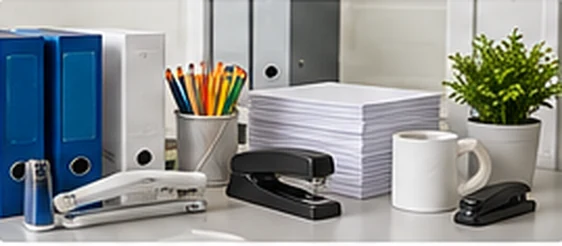
A binder labeled 1 inch is not one inch wide on the shelf. The number describes the nominal size of its ring mechanism. That difference matters when a school is outfitting dozens of classrooms, assembling training manuals or archiving administrative records.
Ring size versus binder capacity
Most everyday U.S. three-ring binders are designed for letter-size paper. Ring size determines how much paper a binder can reasonably hold, while the outside spine, cover material and rings determine how it fits a shelf or supply cart. Always compare the manufacturer's sheet-capacity specification and ring shape, not just the number printed on the spine.
| Nominal ring size | Approximate round-ring capacity | Typical school or office use |
|---|---|---|
| 1/2 inch | About 100 sheets | Small handout sets, short procedures |
| 1 inch | About 175-200 sheets | Single subjects, staff packets, reference documents |
| 1 1/2 inches | About 250-300 sheets | Multi-section course or training materials |
| 2 inches | About 350-400 sheets | Longer manuals, administrative records |
| 3 inches | About 500-600 sheets | Large reference collections, substantial archives |
These are intentionally approximate figures for ordinary copy paper and round rings. Many D-ring models hold more at the same nominal size; thicker paper, tabs and protectors hold less. Product-specific capacity always takes precedence over a general chart.
Round rings, D-rings and locking rings
Round rings are familiar and often sufficient for classroom folders or light-duty organization. D-rings have a straighter stacking edge that can keep larger document sets flatter and frequently provide more sheet capacity. Locking rings may help when a manual is opened repeatedly, though the closure should be tested before purchase.
For binders shared among teachers, substitute staff and administrative teams, consider ease of opening, durability, whether papers lie flat, and the likelihood of rings getting bent in everyday use.
Sheet protectors, dividers and paper weight reduce capacity
Two hundred bare sheets are not equivalent to two hundred sheets placed in individual plastic protectors. Protectors and tab dividers add substantial thickness. Instead of selecting a binder by the raw page count, assemble a representative sample containing the paper, tabs and protectors you will actually use.
Allow some room for papers to turn and for future additions; a binder packed to its maximum rating may be awkward to use. If documents are regularly added, choose a size with reasonable room to grow.
Don't confuse ring size with outside dimensions
A one-inch binder usually has an outside spine wider than one inch. To fit a cabinet, shelf or cart, use the product's overall dimensions. For documents wider than letter paper, choose a binder specified for that sheet size rather than assuming any three-ring binder will work.
Buying checklist for schools
- Confirm letter, legal or another intended paper format.
- Record the number of pages with dividers and protectors.
- Choose the ring style and actual rated sheet capacity.
- Check outside dimensions when fitting storage furniture.
- Compare unit, pack and carton quantities when supplying multiple classrooms.
For frequently handled manuals, durability and reliable rings can matter more than the smallest unit cost. For one-time handouts, a simpler binder may be perfectly adequate.
Reference: Sheet capacities vary by construction; use the manufacturer's product specifications. As a technical cross-check, QuickFit's model-specific ring capacity table illustrates how ring size and mechanism change capacity.
Binder questions school offices often ask
Is a 1-inch D-ring binder the same size as a 1-inch round-ring binder?
The nominal ring size is the same, but the usable capacity may differ because the D-ring stacks paper along a straighter edge. Compare the two products' published sheet capacities, not a blanket percentage.
What binder size works for student portfolios?
Estimate the actual number of pages collected over the full period, including dividers, sheet protectors and any projects kept in pockets. Create a sample portfolio using the thickest usual materials before ordering for an entire grade level.
Can a binder labeled 2 inches fit on a 2-inch shelf?
Usually not. The overall spine is wider than the ring mechanism. The listed external depth, not the ring diameter, is the number to compare with shelf clearance.