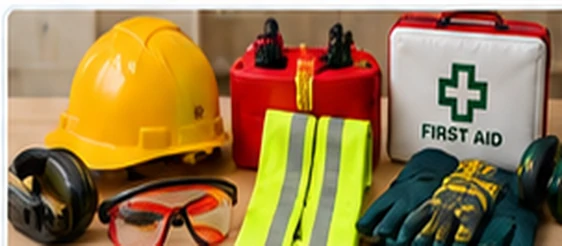
Schools may maintain first aid supplies in administrative offices, maintenance areas, vehicles and other authorized locations. A refill order should start with the contents of the exact kit, not a random assortment of products. The catalog includes complete first aid kits, bandages, gauze and conversion components. Contents and minimums depend on workplace risks, personnel needs, manufacturer design and applicable requirements.
Compare the options
| Supply or process | Inventory check |
|---|---|
| Adhesive bandages and sterile dressings | Sizes, individual packaging, seal condition and use-by date. |
| Gauze and wrap | Sterile status, dimensions and approved use. |
| PPE and barriers | Correct material, size, packaging and expiration requirements where applicable. |
| First aid cabinet layout | Replenishment slots and manufacturer-specific refill components. |
| Inspection log | Who checks the cabinet, what was used, and when supplies were replenished. |
Confirm applicable first aid requirements
OSHA guidance emphasizes readily available, adequate first aid supplies for workplaces and notes that larger or multi-operation sites may need more than a generic small kit. Schools must also follow any applicable state, district, occupational and student health procedures. A retailer article cannot prescribe a universal kit for every building.
Track expiration and package integrity
Use a dated checklist for supplies with use-by dates or damaged seals. Discard and replace items according to product instructions and institutional procedures. A sealed refill container does not mean the supplies are still within date.
Avoid overstandardizing medical needs
An athletics area, maintenance workshop and front office may have different approved inventories. Keep medical decisions and restricted items with qualified personnel; purchasing staff can track approved MPNs, consumption and reorder thresholds without setting treatment policy.
Replenishment thresholds for distributed kits
A campus with several approved first-aid locations can keep a central list of quantities and expiration periods. Set reorder points based on consumption and lead times, but separate emergency readiness from ordinary stock turns. Items intended for emergency use may be required even if rarely consumed. Train the designated inspection staff on how to report opened packaging and used supplies, and make sure any product substitution goes through the appropriate health or safety authority.
School purchasing example
A district standardizes one cabinet inventory sheet by location. Each designated employee logs routine inspections and records approved refill part numbers. The health office confirms the required contents separately from the purchasing clerk’s cost comparison.
Before you order: checklist
- Locate the exact kit/cabinet model and contents.
- Confirm supplies required under applicable policy.
- Check seals, sterile status and expiration.
- Review inspection frequency and replenishment roles.
- Order approved refill MPNs and maintain a location log.
Common questions
Are all school first aid kits required to be identical?
Not necessarily. Required contents depend on applicable rules, setting and institutional risk assessment.
Can a purchasing clerk choose medical supplies without review?
Purchasing should use approved inventories and seek the appropriate qualified decision-maker for medical requirements.
Technical reference: OSHA first aid kits guidance. Check product-specific labels, instructions and current local requirements before ordering.