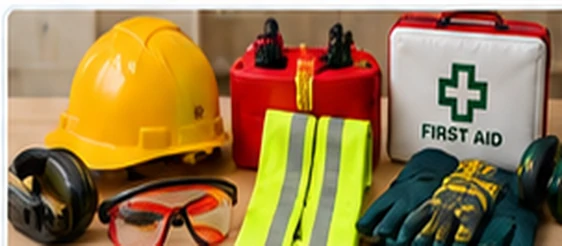
Schools may buy eye protection for science activities, custodial work, maintenance shops and equipment handling. The correct design depends on the hazard: impact risks are not identical to liquid splashes or fine dust. A task hazard assessment and applicable school policy should come before product selection.
Compare protective designs
| Protection type | Typical benefit | Limitation |
|---|---|---|
| Safety glasses with side protection | Impact protection with an open, eyewear-like design | Gaps may allow splashes or fine particles around the lenses |
| Safety goggles | More enclosing fit around the eyes | Vent styles differ in their splash protection |
| Face shield | Protects additional facial area | May be an additional layer, not a substitute for required safety eyewear |
| Prescription-compatible goggles | Allow protective coverage over ordinary glasses | Must fit without gaps or compromised sealing |
Impact protection is different from splash protection
For tasks involving chemical splashes, properly fitted indirectly vented or non-vented goggles may be appropriate where regular safety glasses are insufficient. For flying particles, review the appropriate impact-performance marking. Ordinary prescription spectacles are not automatically protective eyewear.
Fit, fogging and usable life
A protective product that fogs frequently or presses uncomfortably may be used incorrectly. Compare strap adjustment, indirect venting, coatings, peripheral visibility and fit with other PPE. Follow cleaning and inspection instructions, and replace cracked or heavily scratched lenses.
School buying considerations
Different laboratories, custodial tasks and shop areas may require different protective equipment. Before purchasing, ask the school's safety officer to define the required marking, protection and usage policy. Maintain more than one fit size as appropriate, and train users rather than assuming any labeled glasses work for all activities.
School purchasing checklist
- Assess splash, impact, dust and other eye hazards for each task.
- Verify the correct ANSI Z87.1 marking or other required standard.
- Choose appropriate side coverage or goggle venting.
- Test fit with prescription glasses and other PPE.
- Establish inspection, cleaning, replacement and training procedures.
Frequently asked questions
Are regular eyeglasses sufficient protection?
No. Everyday prescription glasses do not replace properly selected protective eyewear.
Will any goggle prevent chemical splash entry?
No. Design and venting matter; review the specific hazard and product marking.
Technical reference: CDC/NIOSH guidance on goggles and safety glasses. Verify actual product specifications and current site procedures before purchasing.