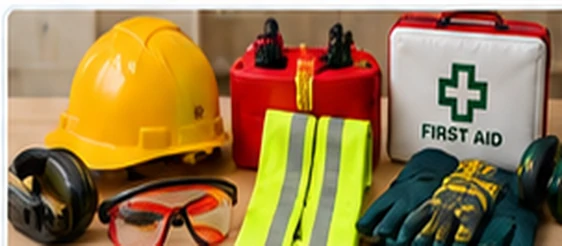
School grounds crews, crossing support staff and maintenance teams may work where vehicles or moving equipment create visibility hazards. A brightly colored vest is not automatically suitable for every task. Buyers must match the garment's markings and fit to the school's safety assessment and applicable work requirements.
Visibility features are not all the same
| Feature | Purchasing check |
|---|---|
| Fluorescent background material | Review visibility in daytime or low-light conditions |
| Retroreflective bands | Check placement and visibility to approaching drivers at night |
| ANSI/ISEA type and performance class | Verify exact certification and task-specific requirements on the garment |
| Closure style | Zipper, hook-and-loop or breakaway design as appropriate |
| Fabric / mesh | Durability, climate, breathability and care instructions |
Some work requires a particular ANSI/ISEA 107 garment type or performance class. Do not infer compliance solely from the word reflective, a fluorescent color or a website photo. Check labeling and current workplace or district requirements.
Size vests over real work clothing
Users may wear vests over winter coats, uniforms or rainwear. Review the manufacturer chest measurements and coverage requirements, not just small/medium/large lettering. Vests that are too loose can snag equipment; tight vests can restrict movement or fail to cover the required torso area.
Plan for pockets, identification and upkeep
Consider whether the team needs radio pockets, ID holders or detachable badges. Washing and wear can reduce effectiveness of reflective materials, so follow care instructions and inspect garments regularly. Separate daily-use safety garments from one-time visitor vests to avoid overbuying high-spec equipment for low-risk tasks.
Buying for a whole district
Record the approved garment specifications by job, season and work location. Keep a size mix and replacement procedure instead of ordering every employee the same nominal size. Safety staff should approve the chosen performance class before a volume order.
School purchasing checklist
- Complete a task-based workplace hazard assessment.
- Verify garment type/class and exact certifications where required.
- Check over-clothing fit, closure and visibility band placement.
- Review laundering and replacement instructions.
- Record appropriate sizes and approved SKUs for each role.
Frequently asked questions
Is any neon vest considered high-visibility PPE?
No. Color alone does not establish conformity with a particular performance standard.
Should schools use the same vest for every task?
Not without confirming each task has comparable hazards and requirements.