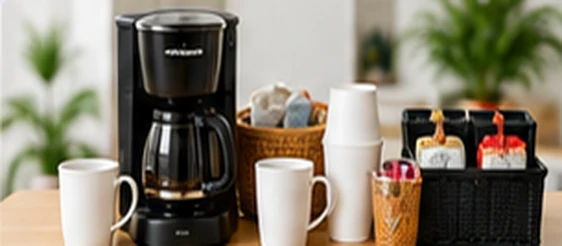
Cup lids are among the easiest breakroom items to order incorrectly. Two cups can both be labeled “10 oz” but have different top diameters, rolled-rim profiles and compatible lids. Your inventory source includes individual cups, cup/lid combinations and separate replacement lids. Treat cups and lids as a paired purchasing system rather than two unrelated commodities.
Compare the options
| Lid specification | Buyer check |
|---|---|
| Top rim diameter | Compare exact millimeters or inches when supplied. |
| Cup family / part number | Manufacturer compatibility is more reliable than capacity alone. |
| Flat, dome or sip-through | Different contents, headroom and spill-control behavior. |
| Hot vs. cold rating | Material suitability and venting can differ. |
| Pack quantity | Cup and lid cartons may contain different quantities. |
Capacity does not prove compatibility
A nominal 8 oz, 10 oz or 12 oz cup might share a rim size with several neighboring capacities in one manufacturer line—or with none in another line. Use the actual compatibility chart, not a universal ounce-to-lid rule.
Choose the correct opening
Sip-through hot lids, straw-slot cold lids, dome dessert lids and closed lids serve different drinks. A lid can appear snapped on but still leak when tipped. Test the exact pairing under realistic conditions.
Avoid imbalanced inventory
If cups are ordered in packs of 1,000 and lids in packs of 500, a buyer may need a different number of cases to maintain one lid per cup. Adjust for uses that do not need lids rather than assuming all drinks require one.
How to build a cup-and-lid cross-reference
Make a two-column inventory listing each approved cup MPN beside its specifically compatible lid MPN. Add cup capacity, rim diameter where provided and case count for both. If a vendor changes packaging or discontinues a lid, test the successor with the current cup before reordering. Once the pair is approved, purchasing can calculate lid needs from planned cup consumption rather than selecting a case because the name says “fits 12 oz cups.”
School purchasing example
A school buys a 1,000-count case of paper cups but discovers that its stored lids are from a different model line. Staff resolve the issue by saving an approved cup-lid pair in the purchasing sheet and keeping the two case sizes visible during reordering.
Before you order: checklist
- Record the exact cup brand and manufacturer number.
- Check rim diameter and lid compatibility list.
- Specify hot/cold and lid opening.
- Test a sample pair for secure fit.
- Balance cup and lid stock by serving plan and case quantities.
Common questions
Will matching ounce sizes guarantee lid fit?
No. Rim diameter and design determine compatibility.
Can I use a cold drink dome lid for hot coffee?
Only if the product is explicitly rated for that use; do not assume.