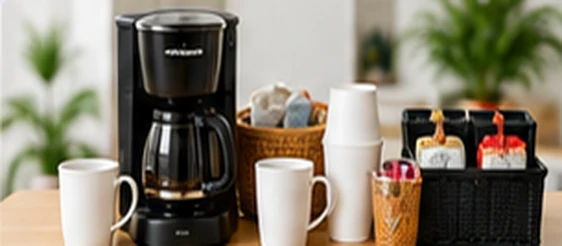
Purchasing disposable cups for a school event can be surprisingly tricky. A cold beverage cup, hot coffee cup and insulated soup or cocoa cup may be the same nominal ounce size without having the same material, heat tolerance or lid system. BulkSupply’s source records contain many disposable cup formats, making temperature and service conditions as important as price.
Compare the options
| Cup construction | Common buying consideration |
|---|---|
| Single-wall hot paper cup | Intended for compatible hot beverage service; sleeve needs may vary. |
| Insulated hot cup | Can improve handling comfort, but evaluate actual insulation claims. |
| Cold plastic cup | Choose for intended cold beverage and material requirements. |
| Paper cold cup | Coating and moisture resistance matter; do not assume hot compatibility. |
| Compostable-labeled cup | Claims and local disposal acceptance must be verified independently. |
Volume is not the only measurement
A “12 oz” cup often describes nominal capacity rather than the size of an appropriate lid. Compare top rim diameter and the manufacturer’s cup family. Hot-cup and cold-cup lids rarely interchange simply because capacities match.
Estimate quantities realistically
For an event with 180 attendees and an expected average of 1.5 drinks each, plan around 270 cups before adding a reasonable backup. This is only a planning example; actual attendance and reuse policies determine consumption.
Check temperature and food-contact use
Use only products labeled for the intended hot or cold service and beverage. Avoid assuming one material is safe for microwaving, very hot liquids or prolonged holding. Follow the manufacturer’s food-contact and handling instructions.
The case-pack math that matters
Serving 200 drinks does not necessarily mean buying one 200-count carton. Suppliers may sell sleeves, inner packs or bulk cases, and staff might dispense drinks without lids at some events. Compare cost per cup and real waste after considering whether the same model will be used for several events. Keep hot and cold cups visibly separated in storage, especially when the finishes or colors look similar. A trial serving test with the chosen beverage and lid may reveal handling issues before the event.
School purchasing example
A district office restocks a teacher lounge with hot coffee cups and separately buys cold drinking cups for an outdoor staff event. Its purchasing sheet lists the two cup models, sizes and compatible lids so the same generic line item cannot be substituted accidentally.
Before you order: checklist
- Record intended hot/cold beverage and serving size.
- Select material and insulation appropriate to use.
- Check cup family and corresponding lid SKU.
- Estimate cups per attendee and reserve.
- Review case quantity, disposal policy and storage space.
Common questions
Are 12 oz hot and cold cup lids interchangeable?
Usually not without manufacturer confirmation; rim shape and diameter can differ.
Does “compostable” mean accepted in any bin?
No. Local collection rules and product certification matter.