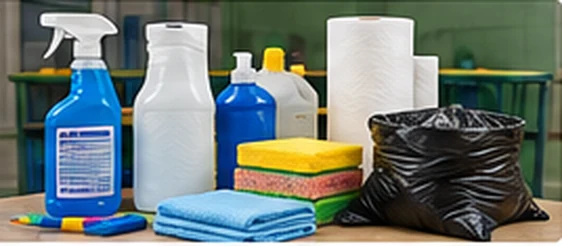
School restrooms are used by students, staff, and visitors throughout the day. Running out of paper products or soap creates avoidable complaints and emergency orders. A predictable supply plan starts with dispenser compatibility, real usage, and clear responsibility for restocking.
Inventory what is actually installed
Before buying a case of refills, identify the dispensers installed at each building. Record the manufacturer, model or identification, approved refill type, and where the dispenser is located. Similar-looking paper rolls and soap cartridges may differ in core size, width, fit, or dispensing system.
A useful restroom equipment record contains:
- Building, floor, restroom or service area.
- Dispenser type and its manufacturer/model where known.
- Compatible paper, soap, or other refill product.
- Number of dispensers and usual refill frequency.
- Storage location and person responsible for replenishment.
Never choose a refill solely because its picture resembles an existing product. Verify compatibility against the installed equipment and product specifications.
Track the main consumable categories separately
| Supply group | What to monitor |
|---|---|
| Toilet tissue | Approved roll format, on-hand inventory, usage rate |
| Hand towels | Roll or folded type, dispenser fit, reserve stock |
| Hand soap | Dispenser system, refill format, volume used |
| Waste liners | Receptacle fit, number of restrooms, replacement frequency |
| Cleaning products | School-approved products and storage procedures |
The restocking schedule may vary by restroom. A high-traffic gymnasium or cafeteria restroom may need more frequent service than a smaller administrative area. A single daily estimate for every room can be misleading.
Establish a simple minimum-stock rule
Instead of guessing a year's supply all at once, track how many compatible refills are typically used during a defined period and set a reorder point that allows for lead time and reserve needs. For illustration, if a building typically uses eight cases of one tissue product in a month and receiving takes time, the team can set a reorder trigger above the next expected use rather than waiting until only one case remains.
Record the date, product model, quantity issued, and storage location. Adjust the trigger after reviewing a few actual replenishment cycles.
Separate storage from in-use supplies
Organize reserve products by building and refill type. Avoid placing incompatible refills together, especially if multiple buildings use different dispensers. Clearly labeled shelves or bins can prevent a well-intentioned employee from installing the wrong product or reporting an apparent shortage when the correct product is elsewhere.
Follow manufacturer storage instructions and applicable school policies for cleaning chemicals. Keep chemical products in approved storage areas away from student-accessible paper and general classroom materials.
Build a restroom inspection routine
A practical inspection notes whether the required supplies are present, which dispensers are damaged or malfunctioning, which refills are nearly empty, and whether the area requires maintenance beyond restocking. Record recurring problems rather than treating every issue as a need to buy more consumables.
When a dispenser regularly jams or leaks, review the correct refill specification and the equipment's maintenance requirements. Replacing the entire stock of refill products without diagnosing the equipment may not solve the problem.
Coordinate purchasing across buildings
Districts may be able to combine quantities of the same compatible product across multiple schools, but should not assume every school uses identical equipment. Build a master list with separate building allocations and receiving instructions.
Our Custodial & Restroom Inventory worksheet can help organize product models, on-hand stock, reorder needs, and storage locations. Update it after deliveries and periodically compare expected use with actual use.
A useful monthly review
Check refill compatibility, count unopened reserve stock, review high-traffic areas, record any transfers between buildings, and flag dispenser maintenance requests. A documented plan makes it easier for the next staff member to take over without starting from scratch.