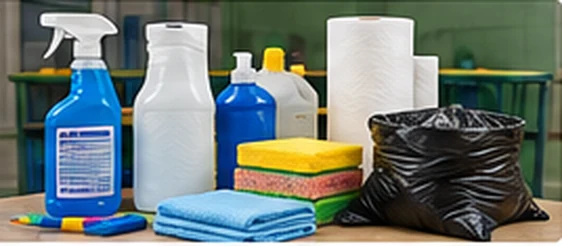
Refillable spray bottles can look identical while having different trigger seals, bottle threads and chemical resistance. Some BulkSupply catalog entries are dispensing systems or accessories rather than ordinary handheld bottles, making a careful MPN check essential. School custodial purchasing should begin with the exact chemical and its instructions for use. Bottles are containers, not permission to dilute, mix or relabel cleaning products arbitrarily.
Compare the Options
| Product type or specification | What to check |
|---|---|
| General-purpose trigger | Adjustable mist or stream may suit compatible routine cleaning products. |
| Chemical-resistant trigger | Built with seals and components specified for certain chemical families. |
| Foaming trigger | Produces foam with compatible solutions; useful only when product instructions allow. |
| Graduated bottle | Has volume markings for measured filling; does not determine the correct dilution. |
| Prelabeled or dedicated bottle | Can help maintain consistent identification when the label matches the actual contents. |
Check the chemical instructions first
Consult the original product label and Safety Data Sheet for storage, transfer and dilution requirements. Some cleaners are designed only for closed dispensers, and some disinfectants require a specific use concentration. Never mix incompatible chemicals in a reused bottle.
Match trigger threads and bottle volume
A trigger may be sold without a bottle. Thread sizes, dip-tube lengths and neck designs vary. The tube should reach the bottom without kinking; an overly long tube may bend and impair spray output. Confirm whether a package includes trigger, bottle, label or all three.
Label secondary containers properly
Use employer and jurisdiction requirements for secondary-container labeling. Avoid unlabeled water-lookalike bottles containing chemical solutions. If the school uses color coding, make sure it supplements—not replaces—required product identification and hazard communication.
Standardize maintenance and purchasing
Select a small number of approved bottle-trigger combinations for designated solutions. Periodically inspect leaks, blocked nozzles and worn seals. Count bottles and spare triggers separately when preparing multi-building orders.
Use a simple container-control sheet
For each approved cleaning solution, maintain one row showing product name, authorized bottle/trigger MPN, label type, dedicated storage area and replacement trigger model. The same sheet can document the designated dispensing equipment and staff training reference. Avoid turning that document into an unofficial mixing guide: the dilution, contact time and personal protective equipment instructions must come from the product labeling and school procedures. Periodically remove damaged or unidentified containers from service.
Example: Buying for a School
A facilities team uses two compatible bottle systems with clear product-specific labels, one for approved glass cleaner and another for an approved general cleaner. Chemical concentrates and mixing are handled only under established procedures; the team does not repurpose empty food containers.
Purchasing Checklist
- Identify chemical and original label requirements.
- Verify allowable transfer, dilution and container type.
- Match bottle neck threads and trigger tube length.
- Confirm materials and seal compatibility.
- Provide compliant secondary labels.
- Plan replacement trigger quantities and inspection.
Questions Buyers Ask
Can one spray bottle be used for any chemical?
No. Bottle and trigger materials must be compatible with the specific product and its label instructions.
Do graduated ounce markings tell staff how much disinfectant to add?
No. Use the approved product directions and any authorized dispensing system.
Is a trigger sprayer sold with a bottle?
Not always. Verify components in the product listing.
Further reading: OSHA hazard-communication labeling guidance. Review applicable rules and your school’s procedures.